China claims US fabricates spy narratives to enforce technology blockade
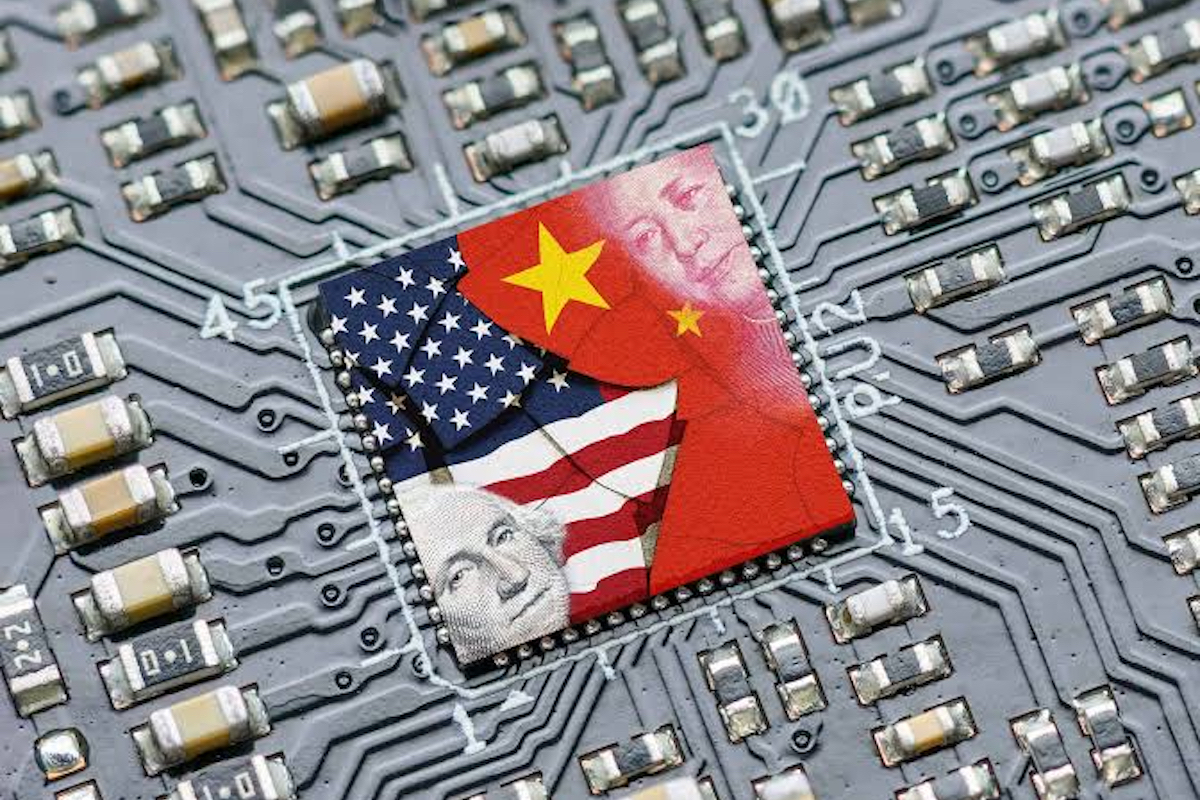
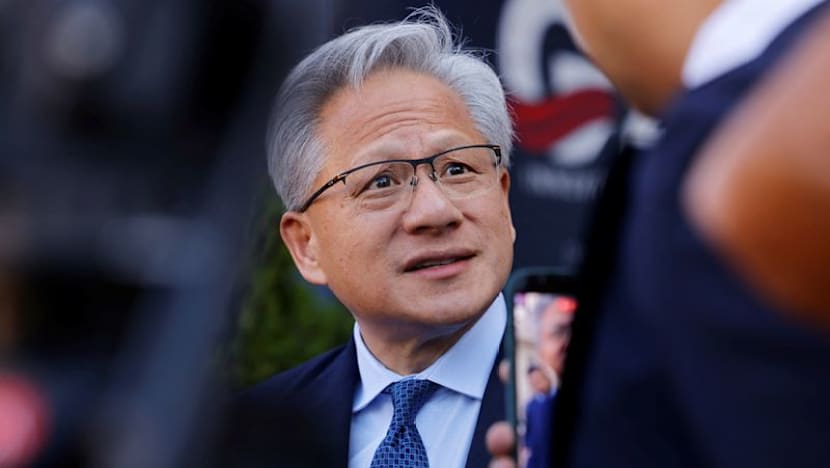
China alleges the United States is creating "spy" narratives to implement a technology blockade. Huang co-founded Nvidia and turned it into a leading AI chip supplier.
ThailandChina and Thailand are jointly contributing to the advancement of artificial intelligence. Their cooperation aims to shape the future of AI technologies.
India's ability to benefit from the fluctuating AI market has been highlighted. The long-term sustainability of this advantage remains a subject of discussion.
ChinaA child died in an unreported gene-editing trial. China's 1,033 gene-editing trials are progressing rapidly.
Chinese artificial intelligence companies are actively securing Nvidia chip capacity. This rush is fueled by concerns over potential U.S. trade restrictions.
IndiaA Chinese university linked to the People's Liberation Army reportedly purchased Nvidia H200 chips. This occurred despite existing United States export restrictions.
JapanOne perspective suggests Japan is a safe cultural choice for AI. This is because its culture is not generally objected to by filters.
Investors express concern about the AI sector's dependence on Nvidia's CEO. His influence and financial contributions are seen as critical.
ChinaUS and China are failing the same AI race, only differently Asia Times
The United States is reportedly finalizing a rule intended to block China's access to remote artificial intelligence chips. This action aims to restrict technological advancements.
globalNvidia CEO Jensen Huang is central to the AI boom. A recent spy scandal threatens to destabilize the company amid fragile investor confidence.
ChinaChina is accelerating its construction of data centers. This development comes as the U.S. pushes back against such facilities.
ChinaSoutheast Asian nations are examining Australia's mandatory AI safeguards as a potential model for their region. Analysts note that institutional and technical capabilities must be developed.
Sovereign AI and the British Business Bank are investing in Fractile. The British firm is developing next-generation AI hardware.
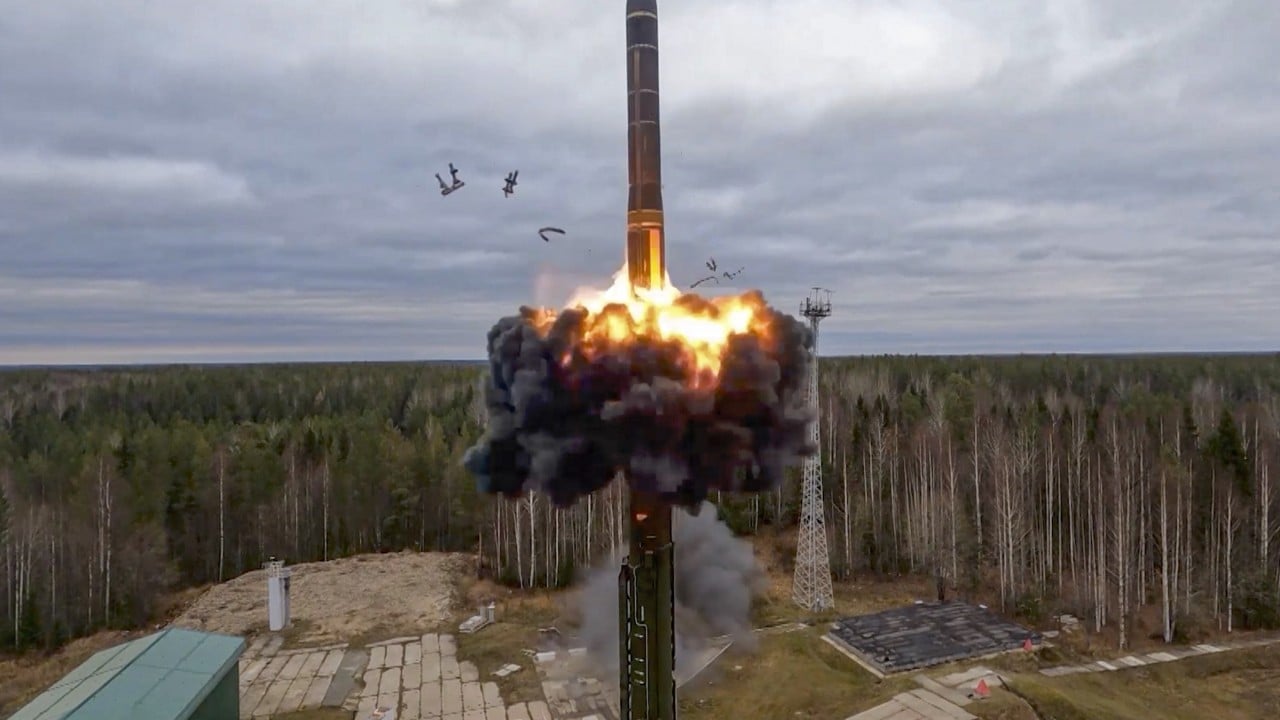
ChinaChina, Russia, and the United States are attempting to finalize an agenda on artificial intelligence in nuclear arsenals for Apec talks. Discussions aim for a commitment to control AI's role.
ChinaA recent market drop in major tech companies has renewed debate about an artificial intelligence bubble. A more significant issue is the need for independently verifiable and trustworthy AI.
Futures for the S&P 500 and Nasdaq rose in early trading. Positive results from CoreWeave helped ease concerns about the AI sector.
ChinaMainland China's aging population and contracting workforce have led to a need for Hong Kong to advance in artificial intelligence. The demographic shift follows the end of the one-child policy.
ChinaThe United States and China should harbor no illusions as they navigate cooperation and competition in artificial intelligence. This perspective was shared by Bessent.
ChinaConcerns are growing in South Korea over fallout from Nvidia CEO Jensen Huang's alleged affair. Fears exist that the scandal could disrupt AI supply chains and affect US export controls.
An opinion piece suggests Australian Prime Minister Albanese must distribute the benefits of AI and the burdens of budget changes. This action is deemed necessary to support Australia's economy.
Nvidia CEO Jensen Huang's past support for selling AI chips to China may be reconsidered. The situation has become more complex.
The CSTO stated that uncontrolled artificial intelligence in geopolitical struggles poses critical risks. Gennady Lepeshko highlighted these dangers.